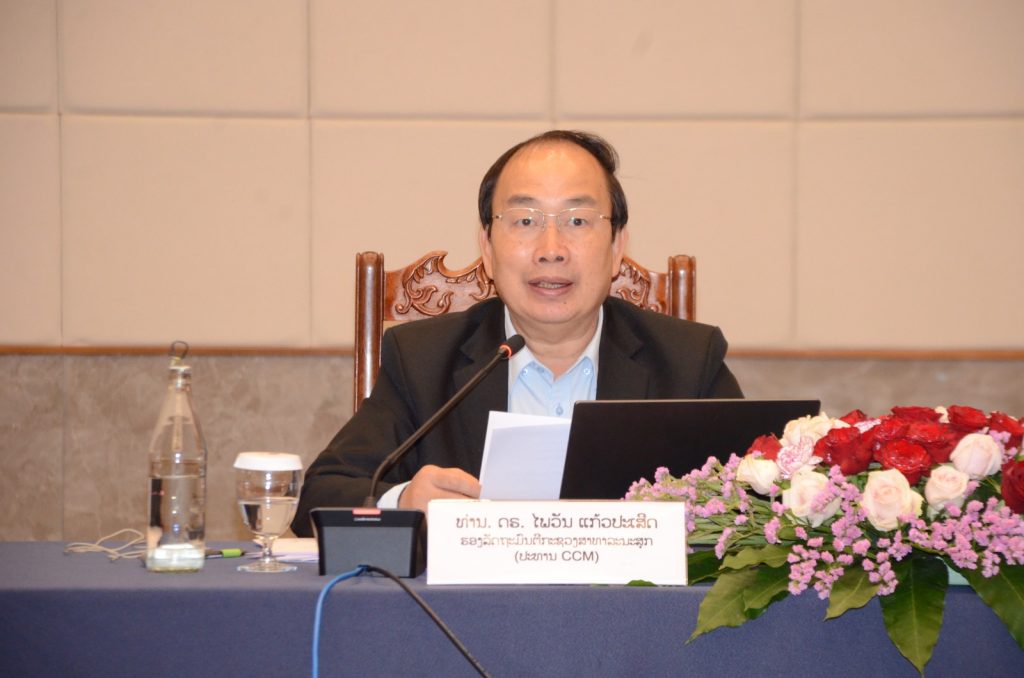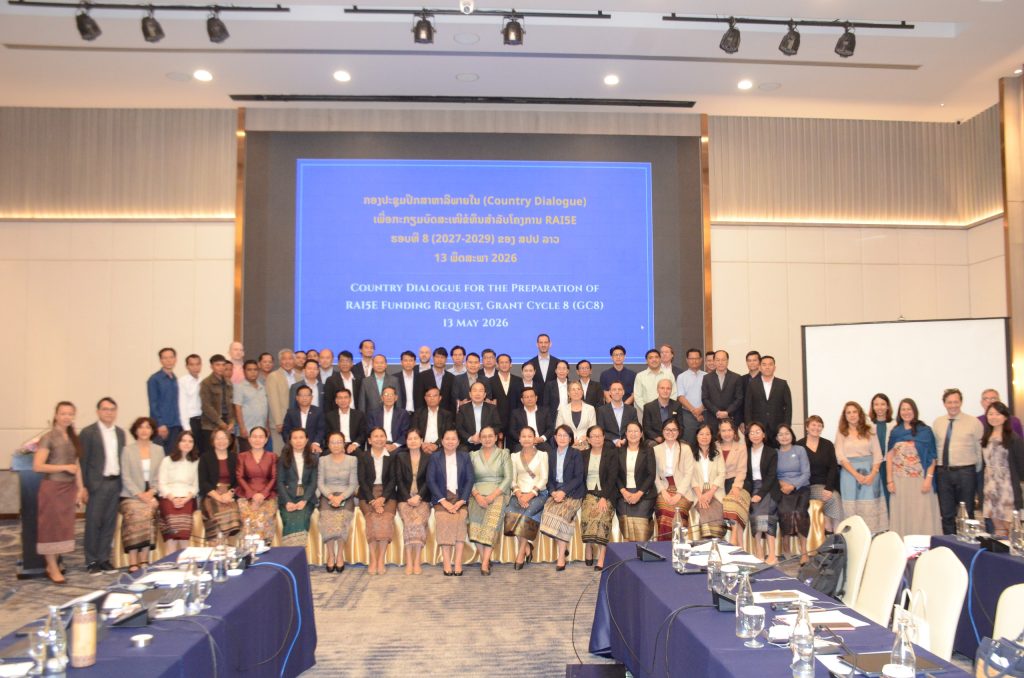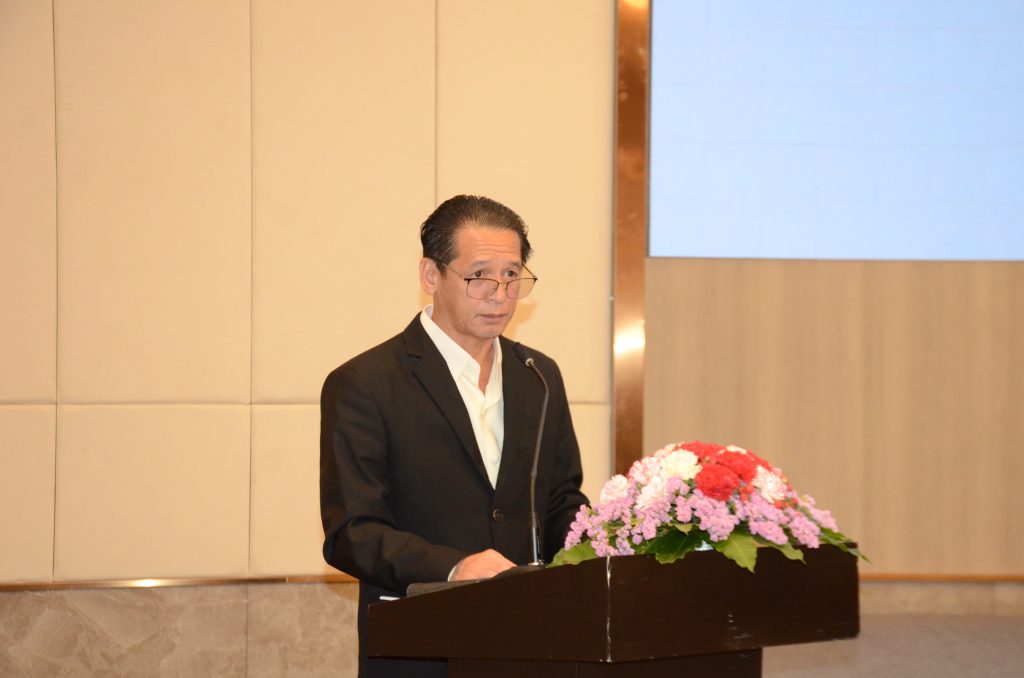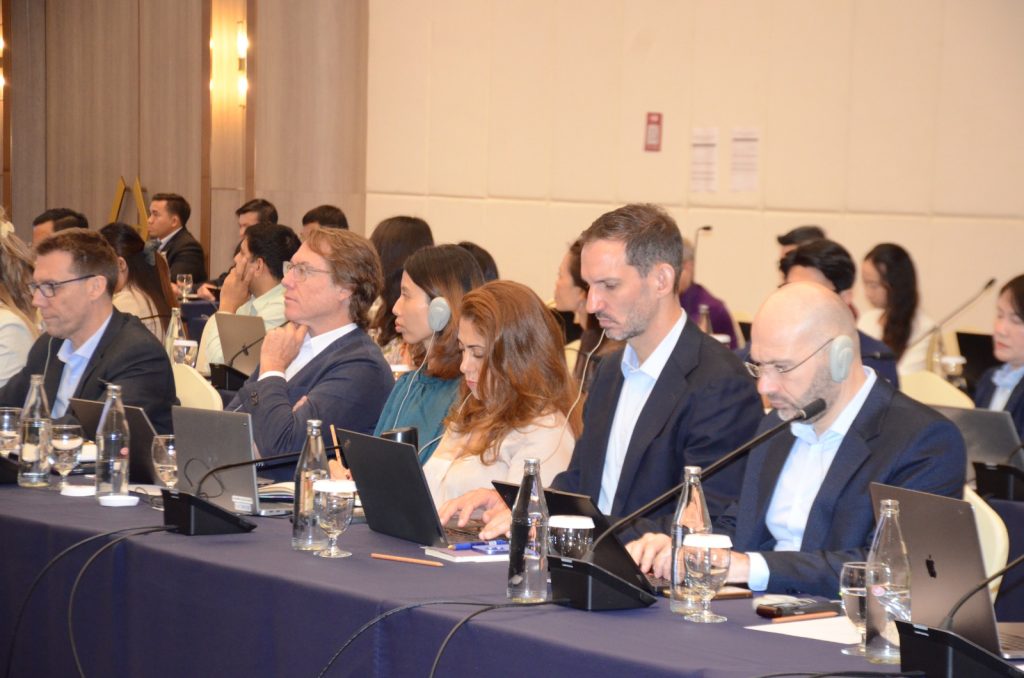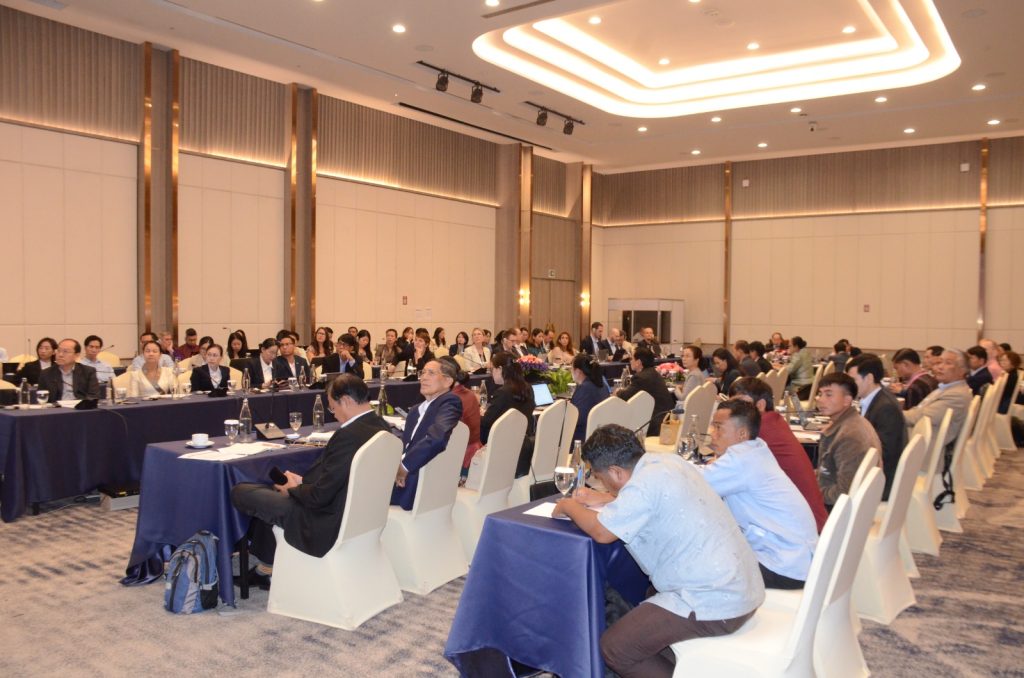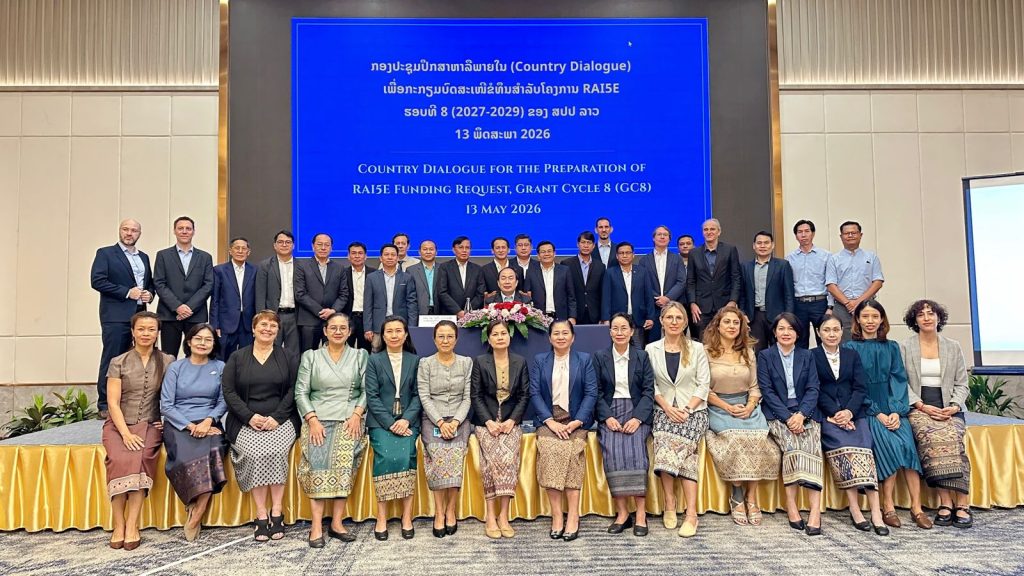
Vientiane Capital: On May 13, 2026, at the Lao Plaza Hotel, the Country Coordinating Mechanism (CCM) Secretariat, in collaboration with the Center of Malariology, Parasitology, and Entomology (CMPE) and with support from UNOPS, organized the Malaria Country Dialogue. The purpose of this meeting was to develop the new funding request draft, known as RAI5E, for the 2027–2029 period. The meeting was presided over by Dr. Phayvanh Keopaseuth, Vice Minister of Health and Chair of the CCM.
Outstanding Achievements and “The Last Mile” Challenges
During the meeting, Dr. Phayvanh Keopaseuth highlighted the significant progress Lao PDR has made in drastically reducing malaria cases:
• Infection Numbers: Cases decreased from nearly 4,000 in 2021 to only 269 in 2025.
• Plasmodium falciparum (Pf): This specific malaria parasite is nearing total elimination.
However, critical challenges remain to be addressed, particularly reaching mobile populations and forest workers, alongside the constraint of a decreasing RAI5E budget allocation. Furthermore, there is a need to emphasize the integration of malaria programs into the primary health care system to ensure the Prevention of Re-establishment (POR).
Primary Objectives of the Consultation
The representative of CCM Secretariat reported that this meeting serves as a vital process to:
• Create an Inclusive Platform: Enabling technical experts, development partners, and Civil Society Organizations (CSOs) such as CHIAs, HPA, and PEDA to collectively present issues and real-world needs from the field.
• Prioritize Interventions: Aligning with the Malaria Programme Review (MPR 2025) and the National Strategic Plan 2026–2030 to ensure maximum budget efficiency.
• Foster Ownership: Ensuring that the Funding Request to be submitted this coming June arises from true consensus and the active participation of all stakeholders.
In conclusion, the meeting chair emphasized: “I am confident that with everyone’s ownership, we will certainly be able to achieve the goal of a Malaria-Free Lao PDR by 2030”. The session also included presentations on the National Strategic Plan (NSP) overview, results of new epidemiological stratification, and group discussions to gather broad input.